
Description
What is Bentonite Clay?
Bentonite clay is a naturally occurring, fine‑textured mineral formed from volcanic ash. There are two main types used in horticulture and landscaping:
- Calcium Bentonite Clay – non‑swelling, excellent for soil conditioning and improving water and nutrient retention in sandy soils.
- Sodium Bentonite – high swelling and sealing capabilities, often used in dams, liners and industrial sealing applications.
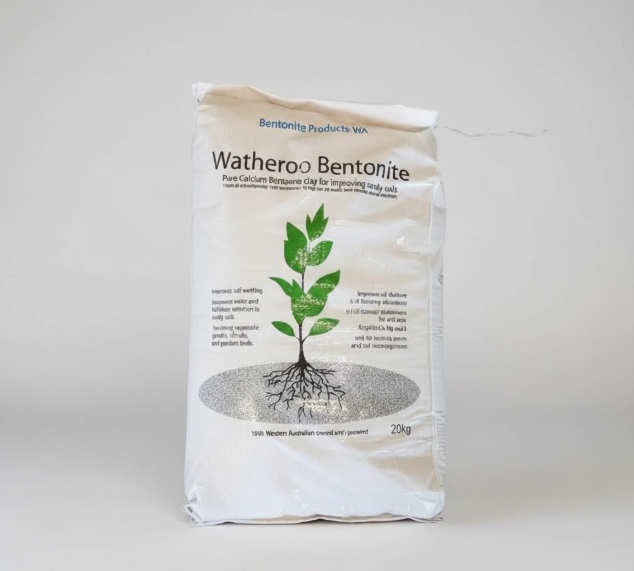
Watheroo Bentonite Clay is calcium bentonite, specially suited for soil water‑holding capacity, nutrient exchange, and improving soil biology without chemical additives. You can think of it as a natural mineral amendment that binds soil particles, increases moisture retention and supports healthier plant growth.
Key Benefits
Before using, understand these measurable improvements:
- Watheroo Bentonite Clay enhances water retention in sandy and dry soils, helping plants receive consistent hydration for healthy growth.
- This bentonite clay improves soil structure and porosity, allowing roots and beneficial microbes to thrive in well-conditioned soil.
- It increases nutrient holding capacity, retaining essential minerals such as calcium, potassium, and magnesium for longer periods.
- Bentonite clay helps reduce soil water repellency, ensuring water spreads evenly and preventing dry patches.
- Regular use supports healthier lawns, garden beds, vegetables, and native plants by improving overall soil fertility.
- The natural clay supplies trace minerals that promote soil vitality and stronger, more resilient plant growth.
How Bentonite Clay Works
Bentonite clay granules settle between soil particles, creating a sponge‑like matrix that holds moisture and fertiliser close to plant roots. This is particularly valuable in Western Australia where soil often lacks organic matter and moisture retention.
It also improves capillary action, enabling better water movement through soil and reducing dry patches. Unlike soil wetting agents alone, bentonite clay delivers long‑term improvement to soil physical properties.
Application Rates & Use Instructions
| Application Area | Application Instructions | Notes / Tips |
| New Garden Beds (Flowers, Lawns, Native Plants) | – Spread 3–5 kg/m² Watheroo Bentonite Clay- Add 5–10 kg/m² high-quality compost or manure- Mix thoroughly into top 15–25 cm of soil using a rotary hoe or by hand | Builds soil structure and increases water & nutrient retention from the first planting |
| Established Lawns, Trees & Gardens | – Apply 1–2 kg/m²- Split applications: 500 g/m² every few weeks- Incorporate 2–5 kg/m² of compost after initial mixing | Gradual introduction prevents root disturbance and fosters steady improvement |
| Vegetable Beds & Soil Mixes | – Spread dried bentonite granules evenly- Work into soil to 25 cm depth- Add compost or manure as required | Ensures strong root development and moisture-rich soil throughout the root zone |
| Native Plant Garden Establishment | – Spread bentonite and compost together- Work into soil to 25 cm depth- Water in after mixing | Improves sandy, nutrient-poor native soils and activates clay and organic matter |
| Pots, Containers, Shrubs & Trees (Light Application) | – Mix 4 cups bentonite clay in 10 L water- Apply regularly rather than heavy single doses | Reduces root stress and improves moisture retention without compaction |
| Existing Lawns — Light Surface Application | – Scatter dry bentonite lightly over grass- Water in thoroughly- Repeat regularly | Encourages gradual improvement without stressing established turf |
Precautions & Safety
Before and during application:
- Keep bentonite clay granules dry before use as they remain highly stable when dry.
- Wear a dust mask when spreading the clay to avoid inhalation of fine particles.
- Be careful with wet clay as it can become slippery when spilled.
- Avoid overapplying clay in small areas without mixing it thoroughly, as it can form hard clumps if left dry on the soil surface.
Where to Use Bentonite Clay
Use this clay for:
- Sandy soil improvement
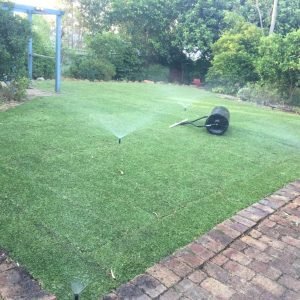
- Lawns and turf hydration
- Garden beds and veggie patches
- Pot and container plants
- Soil mixes and landscaping projects
- Soil preparation before planting
- Improving water absorption and reducing dry, hydrophobic soil areas
Frequently Asked Questions (FAQs)
What is bentonite clay used for in soil?
Bentonite clay improves water retention, increases nutrient availability, and improves soil texture. It is especially useful for sandy soils that struggle to hold moisture.
Can bentonite clay be mixed with compost?
Yes. Combining bentonite with high‑quality organic matter (compost or manure) amplifies soil improvement by increasing moisture retention and feeding soil biology.
How often should I apply bentonite clay?
For new beds, one application with compost is usually sufficient. For established gardens and lawns, split applications over several weeks ensure gradual improvement.
Where can I buy Watheroo Bentonite Clay?
You can buy Watheroo Bentonite Clay directly from The Turf Man in Perth. We supply high-quality, locally mined calcium bentonite clay and can provide expert guidance on application for lawns, gardens, vegetable beds, and landscaping projects.
Additional Information
| Attribute | Details |
| Weight | 20 kg |
| Type | Calcium Bentonite Clay |
| Form | Granular / Powder |
| Use | Soil conditioner, soil improver, water retention |
| Application | Lawns, gardens, native plant beds, vegetable beds, pots, soil mixes |
| Safety | Safe for plants, pets, and soil biology |
| Delivery & Stock | Available across Perth; bulk orders available |